
Lithium Polymer Battery: Why Is It the Ultimate Power Solution for Modern Devices
Lithium Polymer (Li-Po) batteries have revolutionized the way we power modern devices, from smartphones to drones. This blog explores the advantages, technical specifications, safety measures, environmental impact, and future trends of Lithium Polymer batteries. VCELL POWER, a leading battery manufacturer, offers insights into the optimal use of these high-performance power sources. Whether you are a tech enthusiast, engineer, or business owner, understanding Li-Po batteries is essential for innovation and reliability.
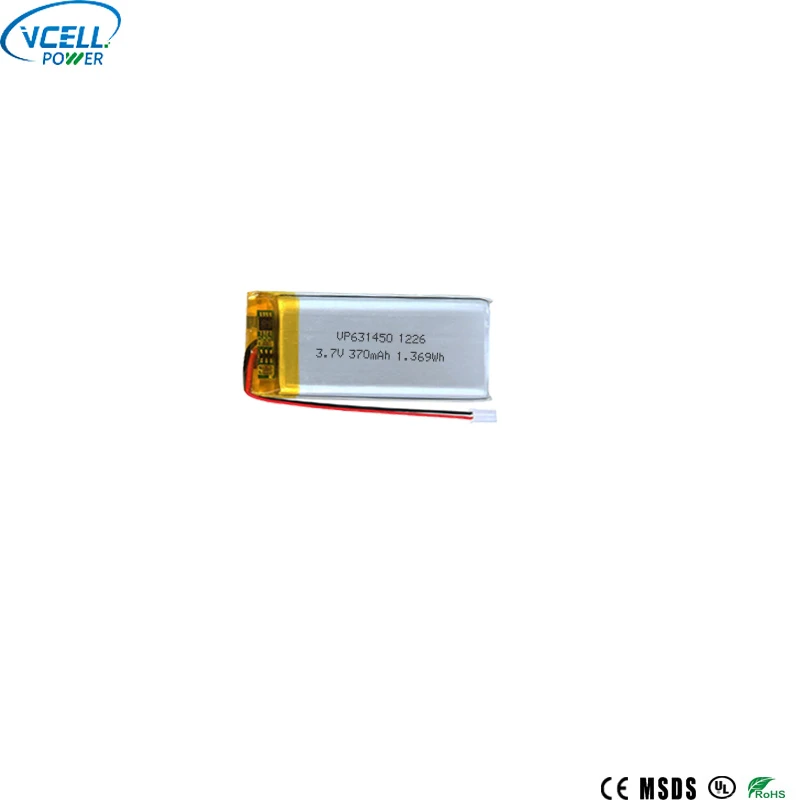
Table of Contents
- Introduction to Lithium Polymer Battery
- Advantages of Lithium Polymer Batteries
- Types and Configurations
- Technical Specifications
- Applications in Modern Devices
- Charging and Safety Guidelines
- Environmental Impact and Recycling
- Future Trends and Innovations
- Frequently Asked Questions (FAQ)
- Conclusion
Introduction to Lithium Polymer Battery
Lithium Polymer batteries, commonly referred to as Li-Po batteries, are a type of rechargeable battery that uses a polymer electrolyte instead of a liquid one. This design allows for lighter weight, flexible shapes, and higher energy densities compared to traditional lithium-ion batteries. VCELL POWER specializes in producing high-quality Lithium Polymer batteries suitable for various applications, ensuring reliability and longevity.
Advantages of Lithium Polymer Batteries
- Lightweight and Flexible: Their polymer construction allows for thin, lightweight designs ideal for portable electronics.
- High Energy Density: Stores more energy per unit volume, extending device runtime.
- Customizable Shapes: Can be manufactured in various shapes to fit device-specific designs.
- Low Self-Discharge: Maintains charge longer than many other battery types.
- Enhanced Safety: Lower risk of leakage and thermal runaway compared to liquid electrolyte batteries.
Types and Configurations
Lithium Polymer batteries are available in various types and configurations to meet different power requirements:
- Single-cell Li-Po: Suitable for low-power devices like wearable gadgets.
- Multi-cell Packs: Used in high-performance drones, RC vehicles, and laptops.
- High-C Rate Batteries: Designed for applications needing rapid discharge and high current output.
Technical Specifications
Understanding the technical specs of Lithium Polymer batteries is crucial for optimal performance and safety. Below is a sample comparison table:
| Parameter | Description | Typical Values |
|---|---|---|
| Nominal Voltage | Voltage output per cell | 3.7V |
| Capacity | Energy storage measured in mAh | 500mAh – 10,000mAh |
| Discharge Rate (C Rating) | Maximum safe discharge current | 1C – 60C |
| Charge Voltage | Maximum safe charging voltage | 4.2V per cell |
| Weight | Battery mass | Varies by size |
Applications in Modern Devices
Lithium Polymer batteries are used across multiple industries due to their versatility:
- Consumer Electronics: Smartphones, tablets, and laptops.
- RC Hobby: Drones, helicopters, and cars.
- Medical Devices: Portable diagnostic equipment.
- Wearable Technology: Smartwatches and fitness trackers.
- Electric Vehicles: Emerging use in lightweight EV designs.
Charging and Safety Guidelines
Proper charging and handling of Lithium Polymer batteries are essential for safety and longevity:
- Always use a charger specifically designed for Li-Po batteries.
- Never puncture or expose the battery to fire.
- Monitor temperature during charging; avoid overheating.
- Store at 40%-60% charge when not in use for long periods.
- Dispose of old batteries following local recycling regulations.
Environmental Impact and Recycling
While Lithium Polymer batteries are efficient and durable, proper recycling is critical to minimize environmental impact. VCELL POWER encourages responsible disposal through certified recycling programs to recover lithium, cobalt, and other materials, reducing waste and pollution.
Future Trends and Innovations
- Higher Energy Densities: Research is ongoing to achieve longer runtimes in smaller packages.
- Faster Charging Technologies: Advanced chargers and battery chemistries allow reduced charging times.
- Flexible and Wearable Batteries: Integration into textiles and flexible electronics.
- Environmental-Friendly Alternatives: Development of Li-Po variants with less environmental impact.
Frequently Asked Questions (FAQ)
1. How long does a Lithium Polymer battery last?
Typically, Li-Po batteries last 300–500 full charge cycles. Proper care can extend their lifespan.
2. Can Li-Po batteries explode?
If punctured, overcharged, or overheated, Li-Po batteries can be hazardous. Following safety guidelines significantly reduces risks.
3. Are Li-Po batteries better than Li-ion?
Li-Po batteries are lighter, can be shaped flexibly, and have lower leakage risks, making them ideal for portable devices, though Li-ion often has slightly higher energy density.
4. How should I store Lithium Polymer batteries?
Store at 40%-60% charge in a cool, dry place. Avoid high temperatures and direct sunlight.
5. Can I use a regular charger for a Li-Po battery?
No, using a charger not designed for Li-Po batteries can lead to overheating, swelling, or even fire.
Conclusion
Lithium Polymer batteries are transforming modern electronics and other industries due to their lightweight, flexible, and high-performance characteristics. VCELL POWER provides reliable and high-quality Li-Po solutions for a wide range of applications. To explore our full range of Lithium Polymer batteries and discover how they can power your next project safely and efficiently, contact us today.
Tidigare:Inga nyheter
Skicka förfrågan
-
WhatsApp
-
E-mail